+91.865.207.1903
More

Project Management
Information System

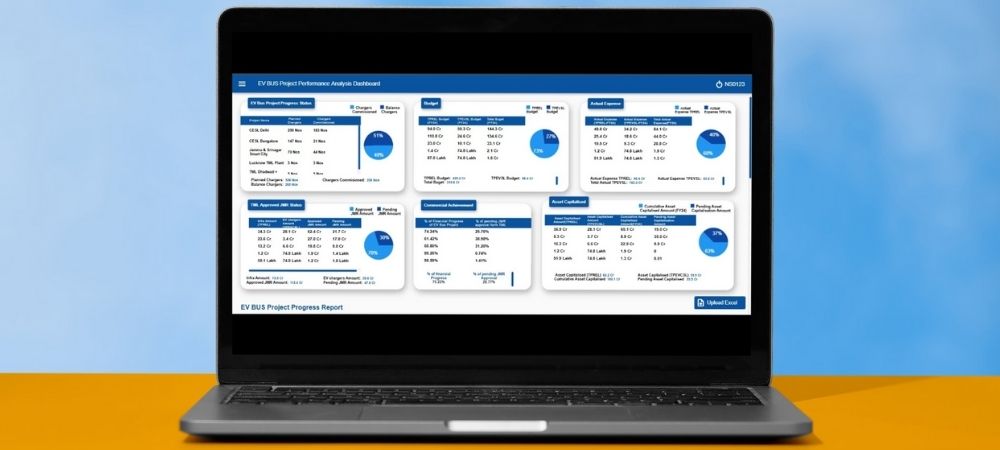
Preventive Maintenance Information System (PMIS) is a software-based system that helps organizations manage and track their preventive maintenance activities. It's a tool that integrates maintenance management, scheduling, and tracking to ensure that equipment and assets are properly maintained to prevent failures.


A PMIS typically includes features such as

  • Equipment tracking: storing information about equipment, assets, and their maintenance history
  • Scheduling: planning and scheduling maintenance tasks and activities
  • Work order management: generating, assigning, and tracking work orders
  • Maintenance tracking: recording and analyzing maintenance activities
  • Reporting and analytics: generating reports and insights on maintenance performance
  • Alert and notification: sending reminders and notifications for scheduled maintenance

The benefits of a PMIS include


  • Improved maintenance efficiency
  • Reduced downtime and equipment failures
  • Extended asset lifespan
  • Enhanced safety and compliance
  • Better decision-making through data analysis
  • Cost savings through reduced maintenance costs

A PMIS can be used in various industries, including manufacturing, healthcare, hospitality, and facilities management, to name a few.

Operation and Maintenance

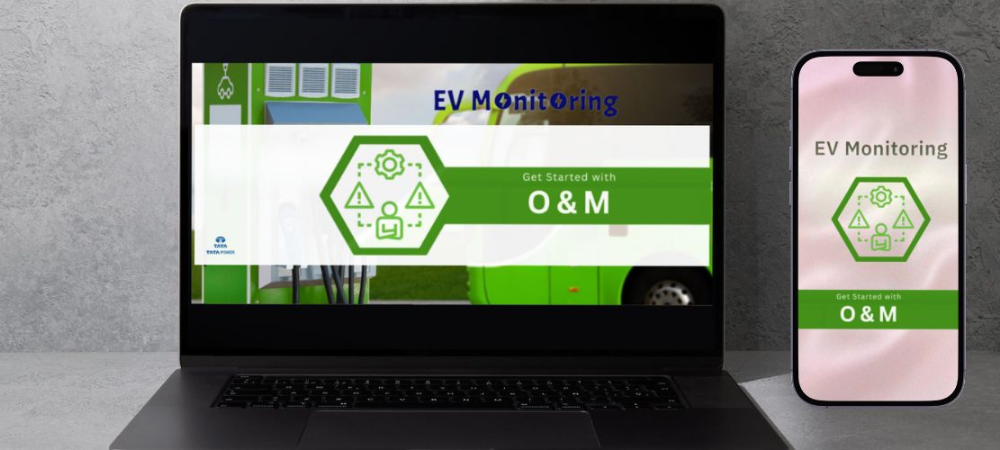
Operation and Maintenance (O&M) refers to the activities and processes used to manage, maintain, and repair physical assets, equipment, and systems to ensure they operate efficiently, effectively, and safely.


Using and managing assets, equipment, and systems to achieve desired outcomes

Monitoring and controlling performance

Optimizing output and productivity

Ensuring safety and compliance

Performing routine and preventive tasks to prevent failures

Repairing and replacing parts or equipment as needed

Conducting inspections and diagnostics

Upgrading or modifying equipment to improve performance

Preventive Maintenance (PM)

Corrective Maintenance (CM)

Predictive Maintenance (PdM)

Reliability-Centered Maintenance (RCM)

Reduce downtime and increase availability

Improve efficiency and productivity

Extend asset lifespan

Enhance safety and compliance

Optimize costs and resource allocation


Manufacturing Unit

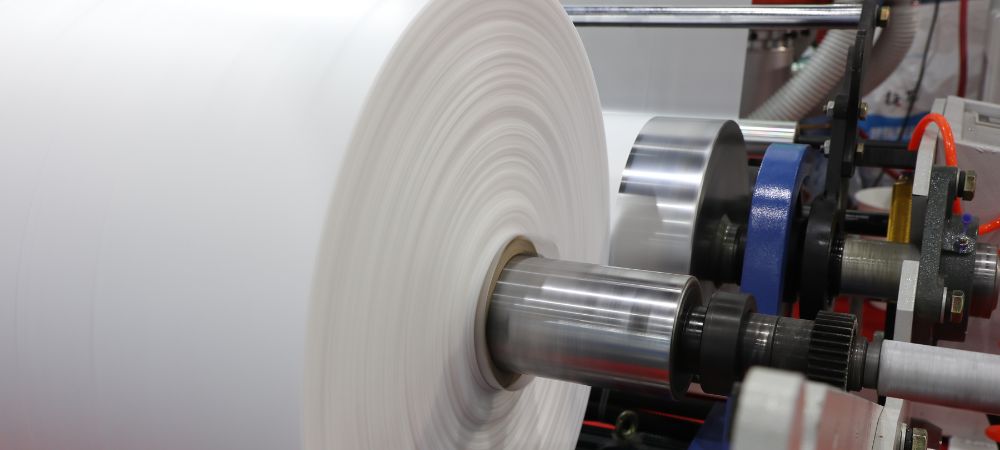
A tissue manufacturing unit, also known as a tissue mill or paper tissue factory, is a facility that produces tissue products such as:


The unit typically includes various processes and machinery


  • Screening and cleaning
  • Refining and bleaching
  • Forming and pressing
  • Drying and cutting
  • Packaging and distribution

Different type of tissues


  • Toilet paper
  • Facial tissues (e.g., Lavex, Dhadhis, Softx........)
  • Paper towels
  • Napkins

The goal of a tissue manufacturing unit is to produce high-quality tissue products efficiently and sustainably.

Ticket Management System

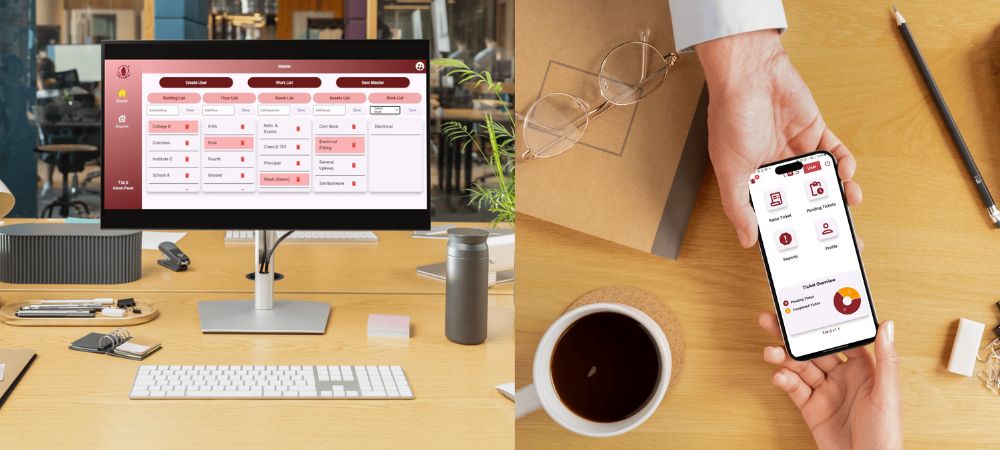
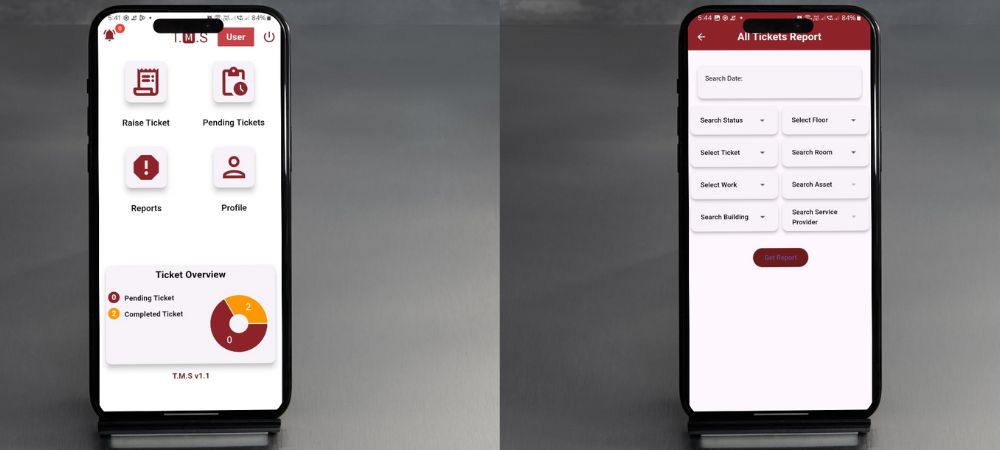
A Ticket Management System (TMS) software is a digital tool designed to streamline and organize the process of creating, assigning, tracking, and resolving tickets or issues within an organization. A ticket typically represents a request, incident, or problem reported by customers, employees, or users.


TMS: Key Features

  • Ticket creation and submission
  • Automated ticket assignment and routing
  • Customizable workflows and status tracking
  • Priority and categorization management
  • Collaboration and commenting tools
  • Integration with various service providers
  • Reporting and analytics
  • Useraccess controls and permissions

TMS: common usage

  • Help desks
  • Customer support centers
  • IT service management
  • Issue tracking and bug reporting
  • Project management

TMS: primary goals

  • Improve incident resolution times
  • Enhance customer satisfaction
  • Increase efficiency and productivity
  • Provide transparency and visibility
  • Support data-driven decision-making

Society Information
&
Management system

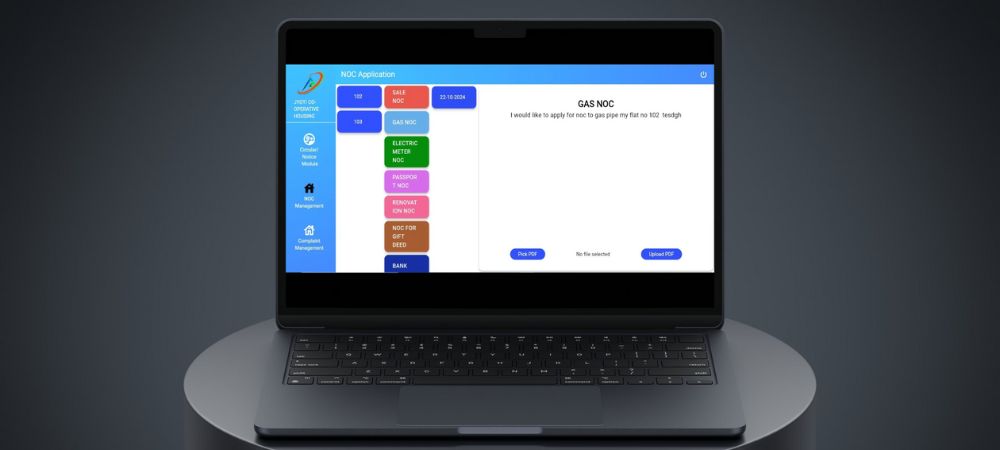
A management software for a cooperative housing society is a digital system designed to automate and simplify the administrative and operational tasks of a cooperative housing society. It helps manage daily operations, improve communication, and increase efficiency in society management.

Some key features of this type of software include:

  • Member Management: registration and tracking of member information, including personal data, payments, and contributions.
  • Finance: management of income, expenses, budgets, and accounts.
  • Maintenance: scheduling and tracking of maintenance tasks, including repairs and improvements.
  • Communication: tools to send notifications, circulars, and communications to members.
  • Property Management: registration and tracking of property information, including property details, maintenance history, and documentation.
  • Reporting and Analysis: generation of reports and analysis to aid decision-making.
  • Security and Access: access control and security to protect member and society information.
  • Integration with other systems: integration with other systems, such as accounting or property management software.

The goal of a management software for a cooperative housing society is to improve efficiency, reduce costs, and increase member satisfaction.

Our Valuable Clients

Technologies

55, Whishpering Palms, shopping Complex Akurli Rd, Alika Nagar, Kandivali East, Mumbai, Maharashtra 400101.

+91.865.207.1903

info@zapsolutionz.com

© 2016 - 2024 ZAP SOLUTIONZ - All rights reserved | Design & Concept ZAP Web Media Solutionz